

Boudhanath Stupa
Updated June 1, 2026
OVERVIEW
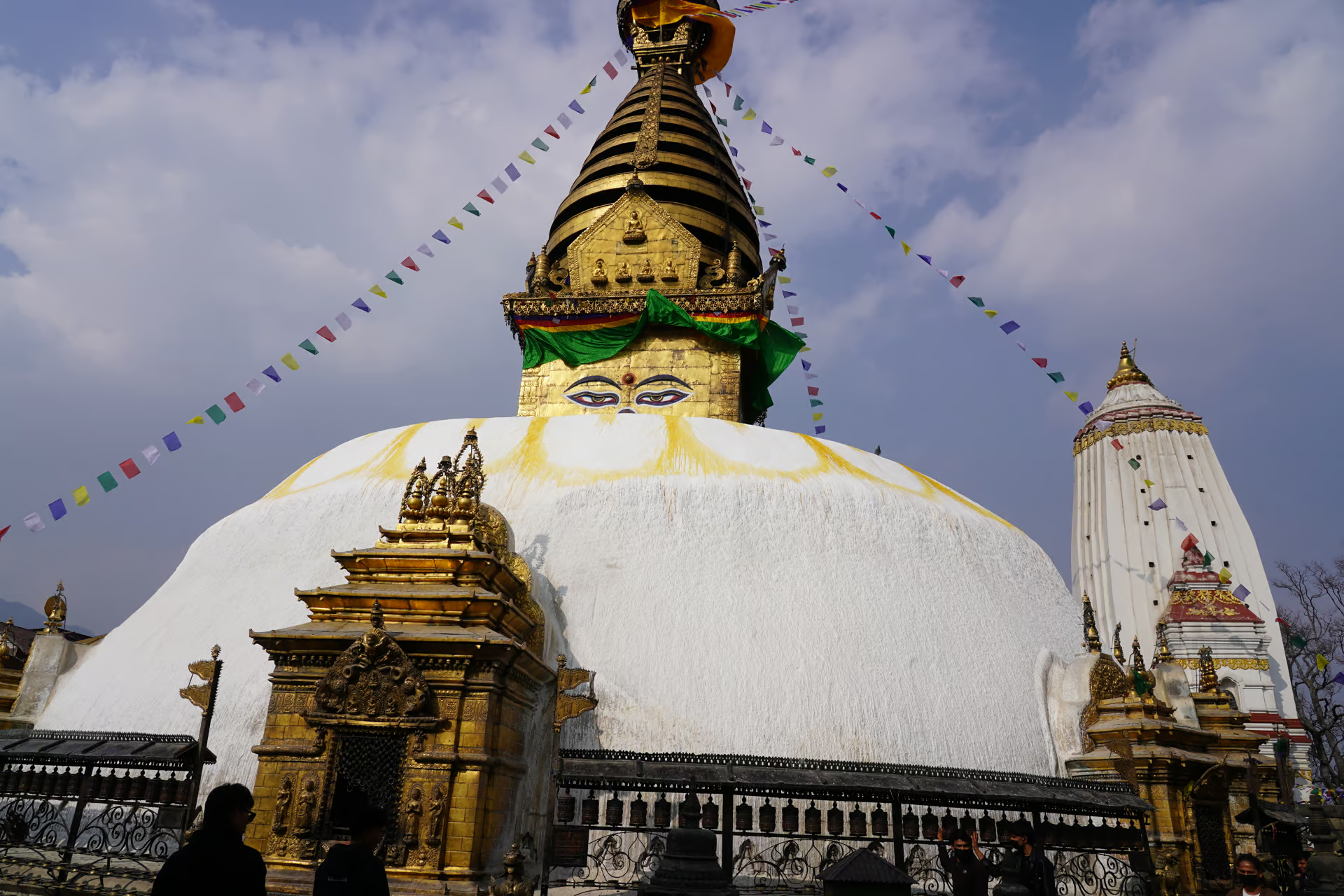
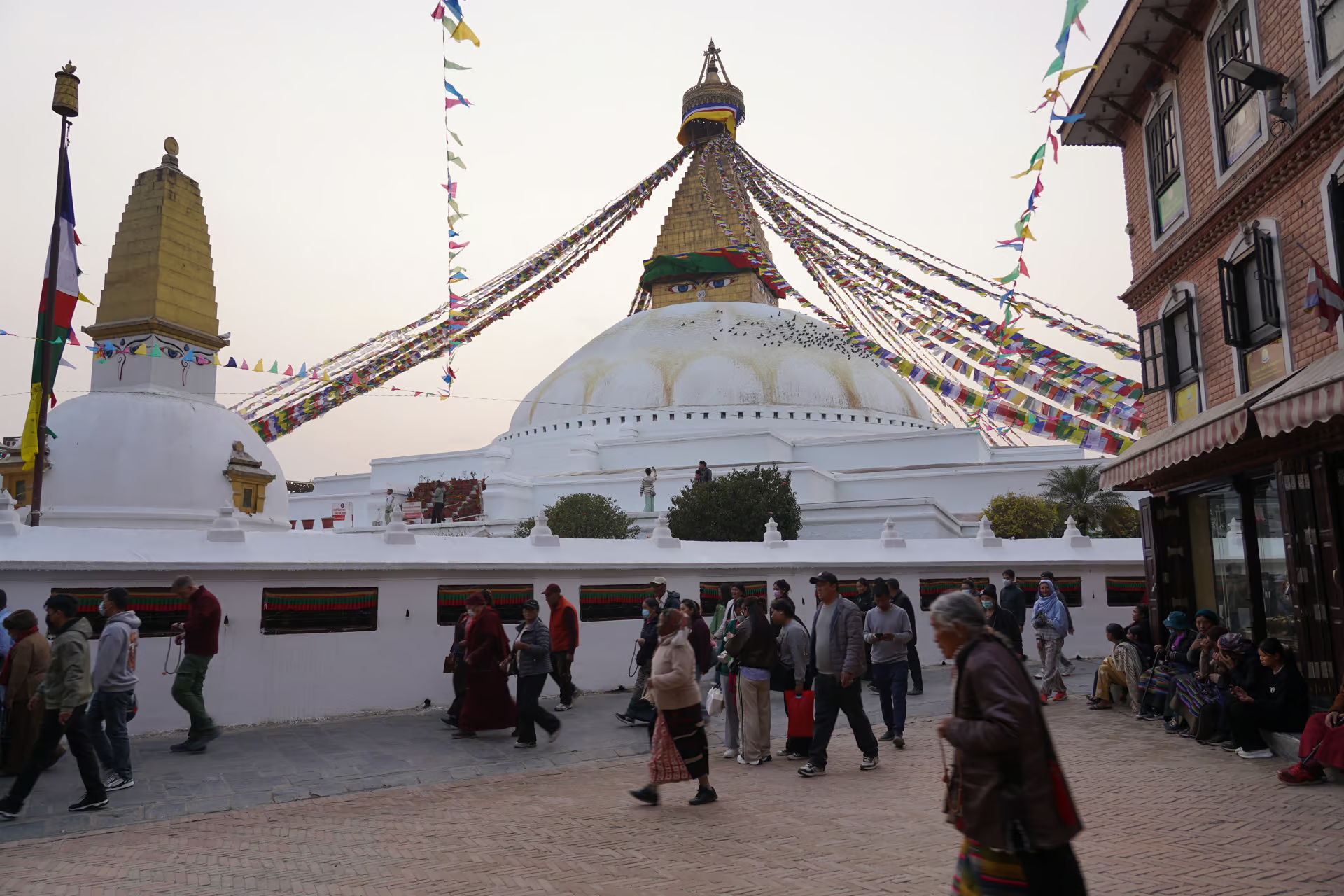
Boudhanath Stupa is one of Nepal’s most famous, sacred, and important religious, cultural, and historical heritage sites. It is located in the northeastern part of the Kathmandu Valley, in the Boudha area. Not only for Buddhist followers but for people all over the world, Boudhanath Stupa is recognized as a symbol of peace, compassion, and spirituality. The religious and historical background of this stupa is very ancient. It is believed to have been constructed during the Licchavi period. As it is listed in the UNESCO World Heritage Site list, the stupa holds great international significance. Having been preserved and renovated from time to time, this stupa reflects the pride of Nepali art and culture. The structure of Boudhanath Stupa is extremely attractive and meaningful. Its huge hemispherical dome represents the Earth. On the square structure above the dome, the all-seeing eyes of Buddha are painted on all four sides, symbolizing Buddha’s compassionate vision watching over all directions. The upper structure signifies the path toward wisdom and liberation. The prayer path around the stupa, prayer wheels, and colorful prayer flags create a deeply religious, cultural, and spiritual atmosphere. From a religious perspective, Boudhanath Stupa is considered a very special and sacred pilgrimage site for Buddhist followers. Daily rituals such as worship, chanting of mantras, lighting of butter lamps, meditation, and circumambulation are performed here. During festivals like Buddha Jayanti and Losar, a large crowd of devotees gathers in the stupa compound. It is widely believed that performing worship, chanting mantras, or meditating here brings peace of mind. From a social and cultural point of view as well, the Boudhanath area is highly significant. The monasteries, ancient structures, art, handicrafts, traditional restaurants, and local communities present a vivid picture of Tibetan culture. This has helped identify Nepal as a country of religious tolerance and cultural and social diversity. In conclusion, Boudhanath Stupa is a remarkable combination of cultural heritage, religious faith, historical importance, and peace. Since it conveys messages of morality, humanity, peace, and coexistence, Boudhanath Stupa remains an invaluable and highly respected heritage of Nepal. From religious, cultural, historical, and tourism perspectives, it is one of the most important and sacred sites in Nepal. Its massive structure, spiritual environment, and cultural richness continue to attract Buddhists and tourists from around the world.