

Swayambhunath Stupa
Updated May 31, 2026
OVERVIEW
Located at an elevation of about 1,395–1,400 meters above sea level, Swayambhunath Stupa is one of the major attractions of the Kathmandu Valley. This stupa is regarded as one of the oldest, most ancient, and sacred Buddhist pilgrimage sites of Nepal. It is also an extremely important religious center for both Buddhist and Hindu communities. Swayambhu is not merely a stupa, it is a living heritage that represents Nepal’s cultural, religious, and historical identity. It symbolizes knowledge, meditation, peace, and compassion. At the same time, it has introduced Nepal to the world as a center of religious, spiritual, cultural, and historical significance.
Historical Background
According to historians, in ancient times the Kathmandu Valley was a vast lake. From this lake bloomed a beautiful lotus flower, and from the center of that lotus emerged a divine light—this light is believed to be the origin of Swayambhu. Therefore, based on the meaning of “self-arisen,” the name Swayambhunath is believed to have originated. At different times, rulers such as King Manadeva, Pratap Malla, and other kings contributed to the development, renovation, and preservation of the Swayambhunath area. Historical records indicate that King Mānadeva placed the first stone inscription at Swayambhunath, while Pratap Malla reconstructed, renovated, and expanded the stairways, stupa, and other artistic structures. In 1979 AD, UNESCO listed Swayambhunath as a World Heritage Site.
Architectural and Religious Significance
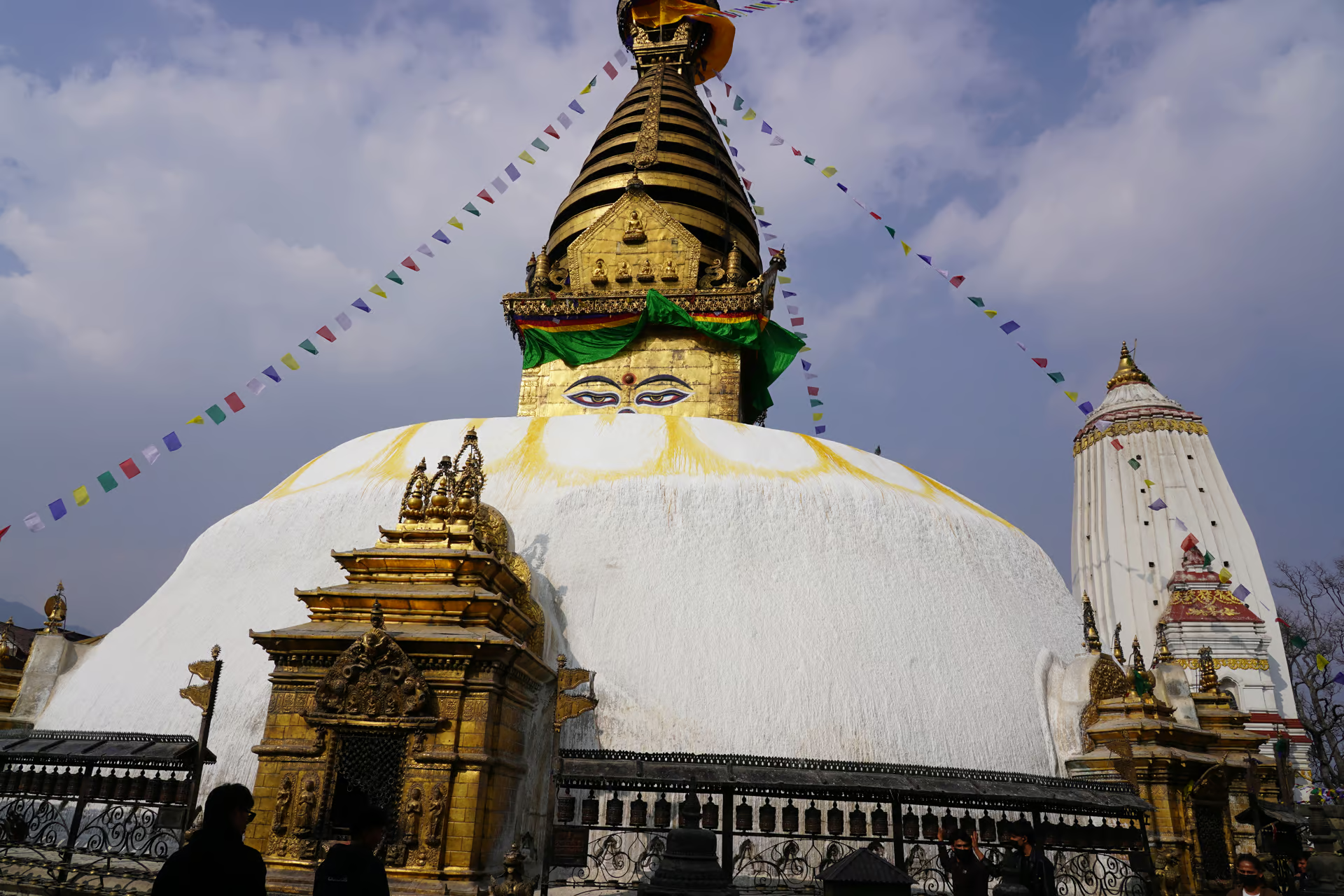
The main attractions of Swayambhunath include the white dome, the golden spire, and the peaceful eyes of the Buddha painted on all four sides. These eyes symbolize wisdom, peace, knowledge, compassion, and patience. The large vajra (thunderbolt) placed here is considered a symbol of powerful spiritual energy. Surrounding the stupa are hundreds of small chaityas, prayer wheels, and temples dedicated to Ganesh, Shiva, Tara, and Harisiddhi Devi, which further enhance the religious, cultural, and artistic value of the site.
Scenic and Spiritual Importance
From Swayambhunath, visitors can enjoy a magnificent panoramic view of the Kathmandu Valley. During sunrise and sunset, the atmosphere becomes extremely beautiful, calm, and spiritually uplifting. Because of this serene environment, Swayambhunath is a favorite destination for pilgrims, meditation practitioners, tourists, and photographers. This sacred site unites the faith of both Hindu and Buddhist communities. As a UNESCO World Heritage Site, Swayambhunath stands as a symbol of Nepal’s multi-cultural and multi-religious society. Festivals such as Buddha Jayanti, Losar, Samyak Puja, and others are celebrated here with great devotion and enthusiasm.