

Pashupatinath Temple
Updated June 2, 2026
OVERVIEW
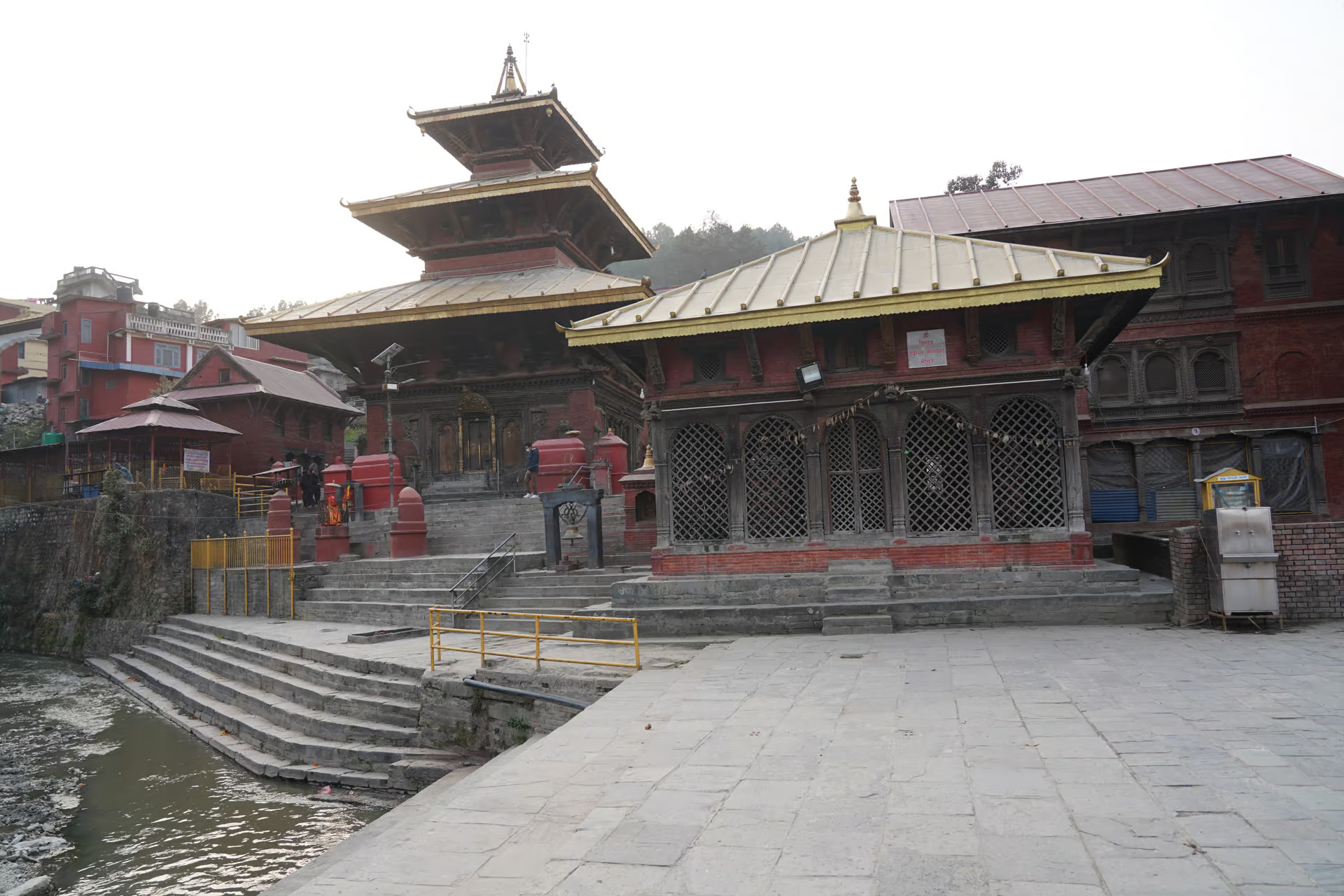
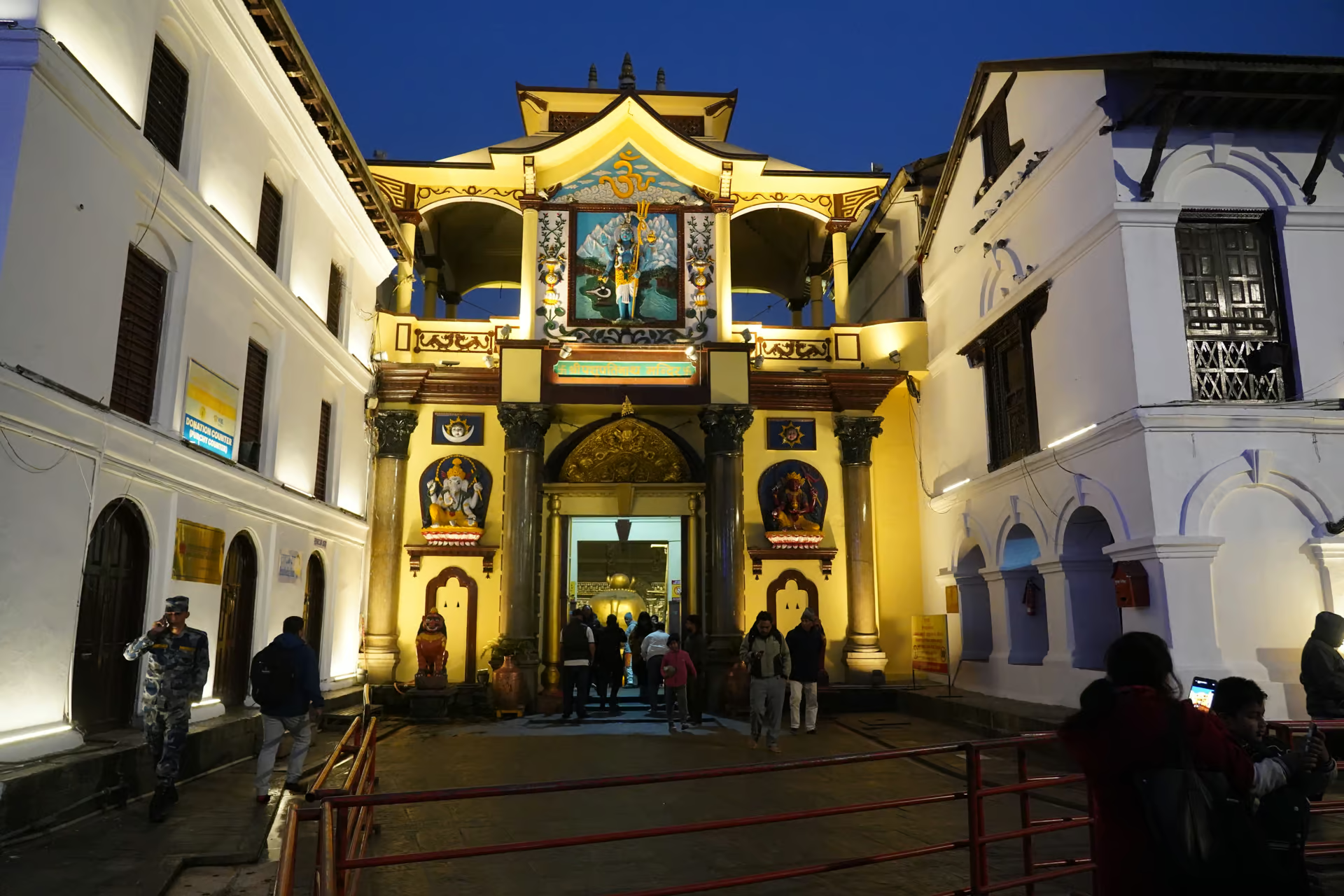
Locatedon the banks of the Bagmati River in the Kathmandu Valley, Pashupatinath Temple is one of the most sacred and renowned religious sites of Nepal. This temple holds immense religious, cultural, and historical significance. For followers of Baidik Sanatan Hindu Dharma around the world, Pashupatinath Temple is a highly revered pilgrimage site symbolizing deep faith and devotion. According to historians, the temple was established even before the Licchavi period, making its history extremely ancient. The temple is listed as a UNESCO World Heritage Site, which highlights its international importance. Although it has undergone renovation and restoration from time to time, the temple has preserved its original identity. Built in the traditional Nepali Pagoda Style, the temple represents remarkable architectural value. It has a two-tiered roof, and the wooden structures used in the roof are intricately carved, reflecting ancient Nepali craftsmanship. The artistic wood carvings showcase Nepal’s rich traditional art. The roof is gilded with gold, and a golden pinnacle crowns the top, enhancing the historical importance of the temple. Below the pinnacle are symbols of the moon, sun, and trident, which represent the deep connection with Lord Shiva. The wooden struts beneath the roof feature beautifully carved images of various gods and goddesses, making the temple highly artistic and attractive. Within the temple complex, there are many small and large temples, ashrams, and monasteries. The Shiva Linga inside the main temple is considered the principal symbol of Lord Pashupatinath. Religiously, culturally, and historically, the importance of Pashupatinath Temple is incomparable. Major festivals such as Maha Shivaratri, Teej, Nag Panchami, and Saune Sankranti are celebrated here with great grandeur. Especially during Teej and Maha Shivaratri, hundreds of thousands of devotees and saints visit the temple to worship and seek blessings. Additionally, the cremation rituals performed on the banks of the Bagmati River nearby present a profound reflection on human life and death. From a religious and cultural perspective, the Pashupatinath area is a central hub of Nepali religious traditions and culture. Daily worship, aarti, and various religious activities based on Vedic rituals are conducted here. As a result, this area deeply reflects Nepali civilization, religion, and philosophy of life. In conclusion, Pashupatinath Temple is a symbol of religious faith, cultural identity, and historical heritage. Its sacredness and spiritual atmosphere provide inner peace to devotees. Faith in Lord Shiva, beautiful artistic architecture, ancient traditions, and the holy Bagmati River have established it as one of the world’s most significant pilgrimage sites. Therefore, Pashupatinath is not merely a temple, but the center of Nepali identity and spiritual life.